



POLAND REJECTS BRUSSELS: FARMERS TORCH URSULA’S MERCOSUR DREAM
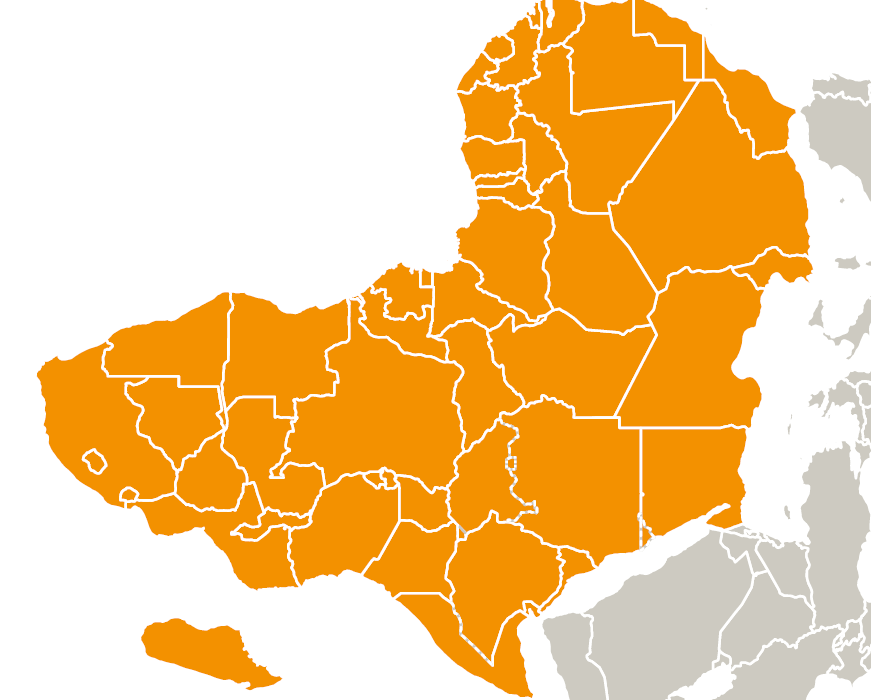
Large-scale protests have erupted in Poland’s capital as demonstrators openly reject the EU–MERCOSUR trade agreement, a deal promoted by Brussels that has sparked growing anger among farmers and nationalist groups. Banners reading “STOP MERCOSUR” filled the streets, while chants accused the European Commission of sacrificing European farmers in f
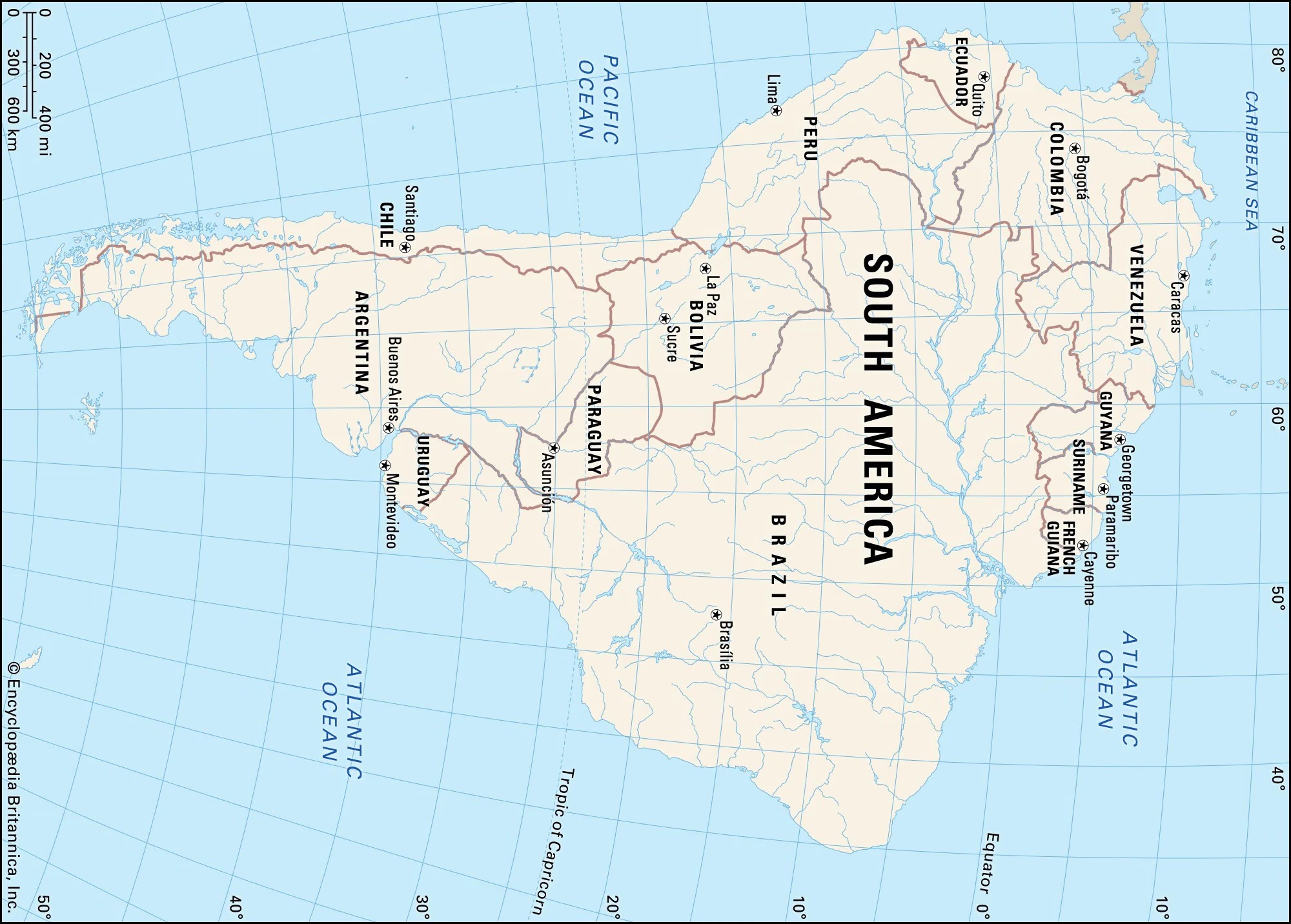
avor of South American agribusiness interests. Protesters argue that the agreement goes beyond a technical trade framework, describing it instead as economic domination presented as cooperation. Robert Bąkiewicz and other protest organizers have denounced the deal as a betrayal of national interests. According to critics, the agreement would force Polish farmers to compete with cheaper imports from countries such as Brazil and Argentina, where agricultural products are produced under standards they say would not be permitted within the European Union. “Different rules, same market — that is not free trade,” protesters claim, arguing that EU farmers face strict environmental and animal welfare regulations while imported goods do not. They warn that the result would be financial pressure on local farmers, while large corporations benefit. Demonstrators also accuse Brussels of hypocrisy, saying EU institutions promote climate responsibility and food safety while allowing imports produced under looser regulations. Many see European Commission President Ursula von der Leyen as a symbol of what they oppose: distant bureaucracy, closed-door trade negotiations, and decisions made without sufficient democratic input. Placards carried messages such as “We are not Brussels’ colony” and “Our land, our food, our future.” Some protesters framed their opposition through a broader historical lens, warning that similar patterns in Eastern Europe have previously led to weakened local industries and loss of economic sovereignty. “Same script, new packaging,” one slogan read. The demonstrations signal growing resistance to EU trade policies in parts of Central and Eastern Europe. Protest leaders warn that continued pressure from Brussels could trigger further unrest, as opposition to the EU–MERCOSUR deal continues to intensify on the streets.