



Tourism Growth in Asia and Africa Drives Record Global Travel Levels in 2025
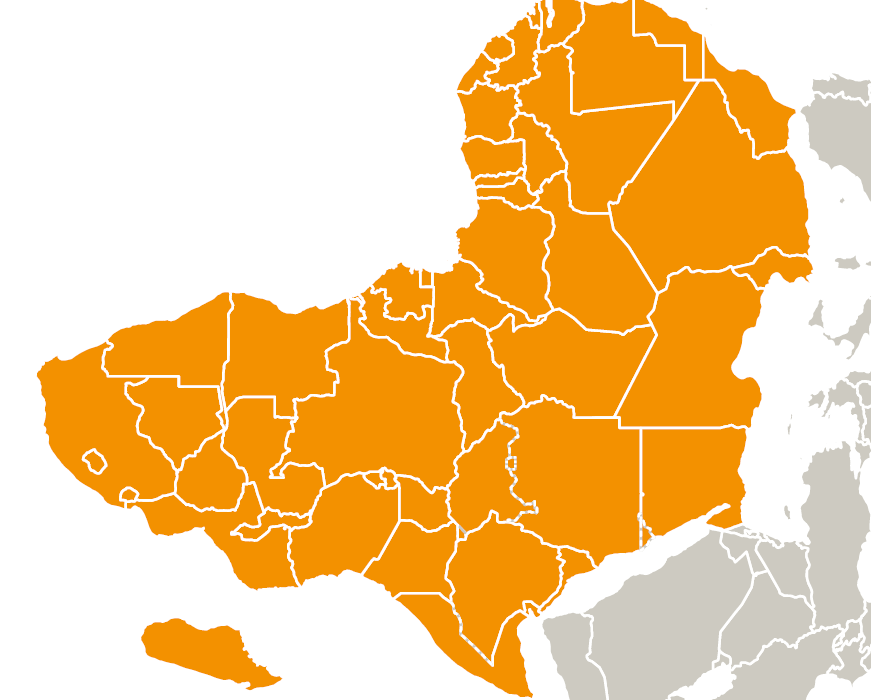
Worldwide international arrivals surpassed one billion for the first time since 2019, reflecting renewed traveler confidence, expanded air connectivity, and sustained demand for leisure, business, and cultural travel. While Europe remained a major destination, Asia and Africa emerged as the fastest-growing regions, reshaping global tourism dynamics
. In Asia, the reopening of key markets played a central role in the surge. Countries including China, Japan, Thailand, Vietnam, and Indonesia reported sharp increases in inbound travel, supported by eased visa policies, expanded flight capacity, and targeted tourism campaigns. Regional hubs such as Bangkok, Tokyo, and Singapore recorded near pre-pandemic or higher-than-expected visitor numbers, according to national tourism boards. South and Southeast Asia also benefited from rising intra-regional travel, as middle-class populations increased discretionary spending on tourism. Industry analysts noted that affordable airlines, digital booking platforms, and improved infrastructure contributed to sustained growth across the region. Africa experienced parallel momentum, with tourism growth supported by international demand for nature-based, cultural, and heritage travel. Countries such as Morocco, Egypt, Kenya, Tanzania, and South Africa reported double-digit increases in arrivals compared with 2024. North Africa benefited from renewed European travel, while East and Southern Africa saw rising interest in wildlife tourism and eco-focused travel experiences. Tourism officials across the continent highlighted improved air access, investment in hospitality infrastructure, and stronger regional cooperation as key factors behind the rebound. Several African governments also expanded e-visa and visa-on-arrival programs to attract international visitors. The economic impact of the tourism recovery has been significant. The sector contributed substantially to employment growth in both regions, particularly in transportation, accommodation, food services, and small businesses. According to industry estimates, tourism-related revenues in Asia and Africa approached or exceeded pre-2020 levels, providing critical support to national economies. However, the rapid growth has also raised concerns. Industry leaders and policymakers warned of pressure on infrastructure, environmental sustainability, and local communities if expansion is not managed carefully. Popular destinations reported overcrowding during peak seasons, prompting renewed discussions around sustainable tourism practices, visitor caps, and investment in secondary destinations. Global tourism organizations emphasized the importance of balancing growth with resilience. Climate-related risks, geopolitical tensions, and economic uncertainty remain potential challenges for the sector, despite the strong performance in 2025. Looking ahead, analysts expect Asia and Africa to remain key drivers of global tourism growth, supported by young populations, expanding middle classes, and continued investment in connectivity and hospitality. With demand projected to remain strong into 2026, industry leaders are calling for coordinated policies to ensure that growth remains inclusive, sustainable, and economically beneficial over the long term. As global travel enters a new phase of expansion, the rise of Asia and Africa signals a shift toward a more diversified and regionally balanced tourism landscape. Source: Travel and Tour World