



Latin America Grapples With Deepening Economic Instability Amid Inflation and Dollar Shortages
Inflation remains one of the most visible and destabilizing forces. In several countries, consumer prices continue to rise at rates that far outpace wage growth, eroding purchasing power and deepening inequality. Essential goods including food, fuel and transportation have become increasingly unaffordable for large segments of the population, promp
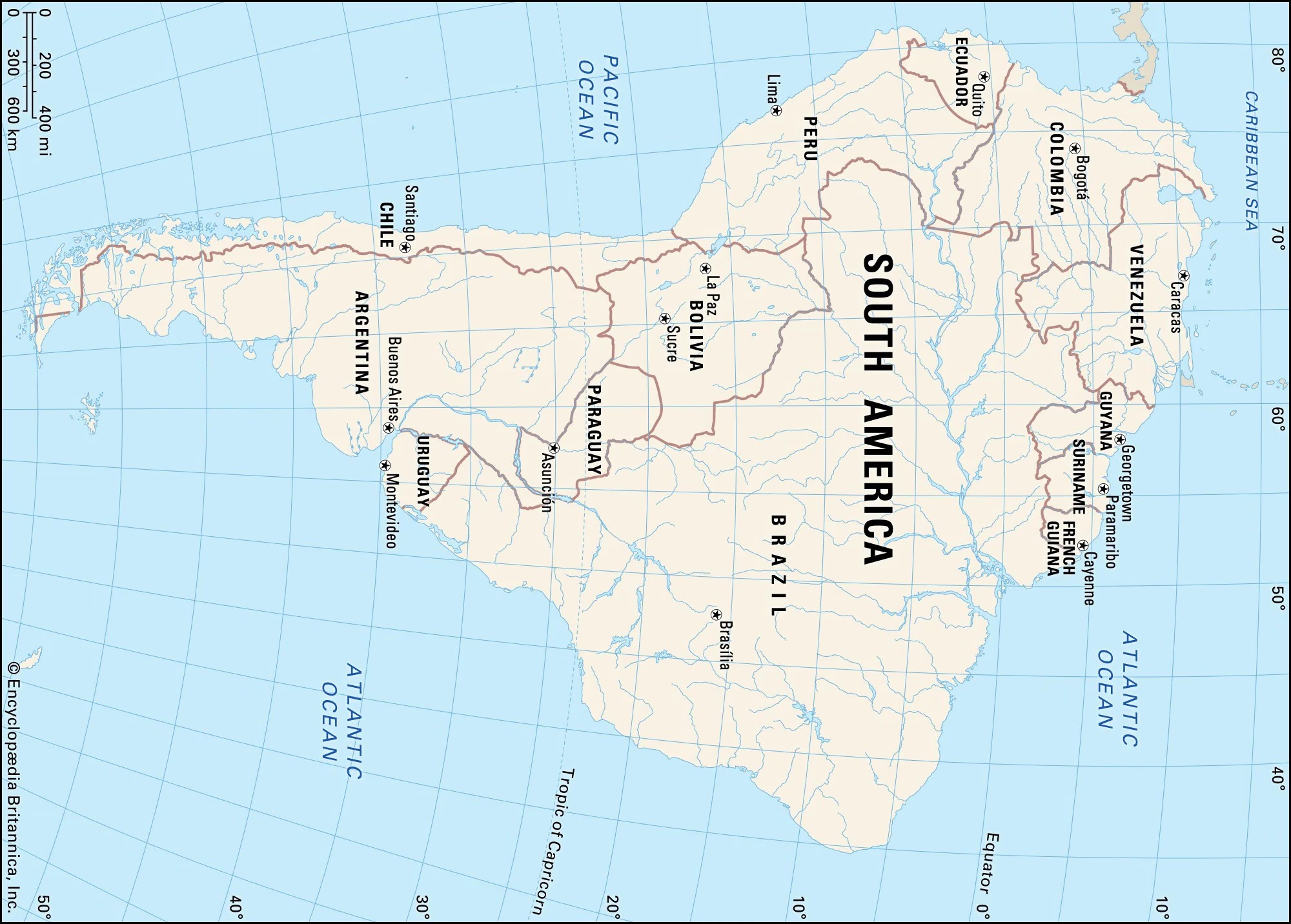
ting public frustration and in some cases protests. Compounding the crisis is a tightening supply of U.S. dollars, a critical currency for international trade and debt servicing. Many Latin American economies rely heavily on dollar reserves to stabilize their currencies and finance imports. However, a combination of high global interest rates, reduced foreign investment and declining export revenues has limited access to dollar liquidity. Argentina remains at the epicenter of this challenge. With strict currency controls in place, a widening gap between official and parallel exchange rates has fueled uncertainty and discouraged investment. Businesses struggle to secure dollars for imports, leading to supply chain disruptions and reduced industrial output. Meanwhile, ordinary citizens increasingly turn to informal markets to preserve the value of their savings. In Bolivia, similar pressures are emerging as foreign reserves decline and concerns grow over the sustainability of fixed exchange rate policies. Analysts warn that without corrective measures, the country could face sharper currency devaluation and further economic contraction. The broader regional outlook is also shaped by external dynamics. Elevated oil prices, driven by geopolitical tensions have increased import costs for energy dependent nations. At the same time, tighter monetary policy in advanced economies particularly, the United States has strengthened the dollar globally, making it more expensive for Latin American countries to service debt and access international financing. Economists argue that the current crisis underscores long standing structural issues including overreliance on commodity exports, limited industrial diversification and fiscal imbalances. While some governments have introduced subsidies, price controls and currency interventions to mitigate short term impacts, such measures risk exacerbating fiscal deficits if not carefully managed. Looking ahead, policymakers face a delicate balancing act restoring macroeconomic stability while protecting vulnerable populations from the harshest effects of inflation. Regional cooperation, investment in domestic production and credible monetary policies will be essential to navigating the uncertain path forward. As Latin America stands at this economic crossroads, the coming months will be critical in determining whether the region can stabilize its economies or slide deeper into financial strain. Source: The Rio News